

- TOP
- Column
Column
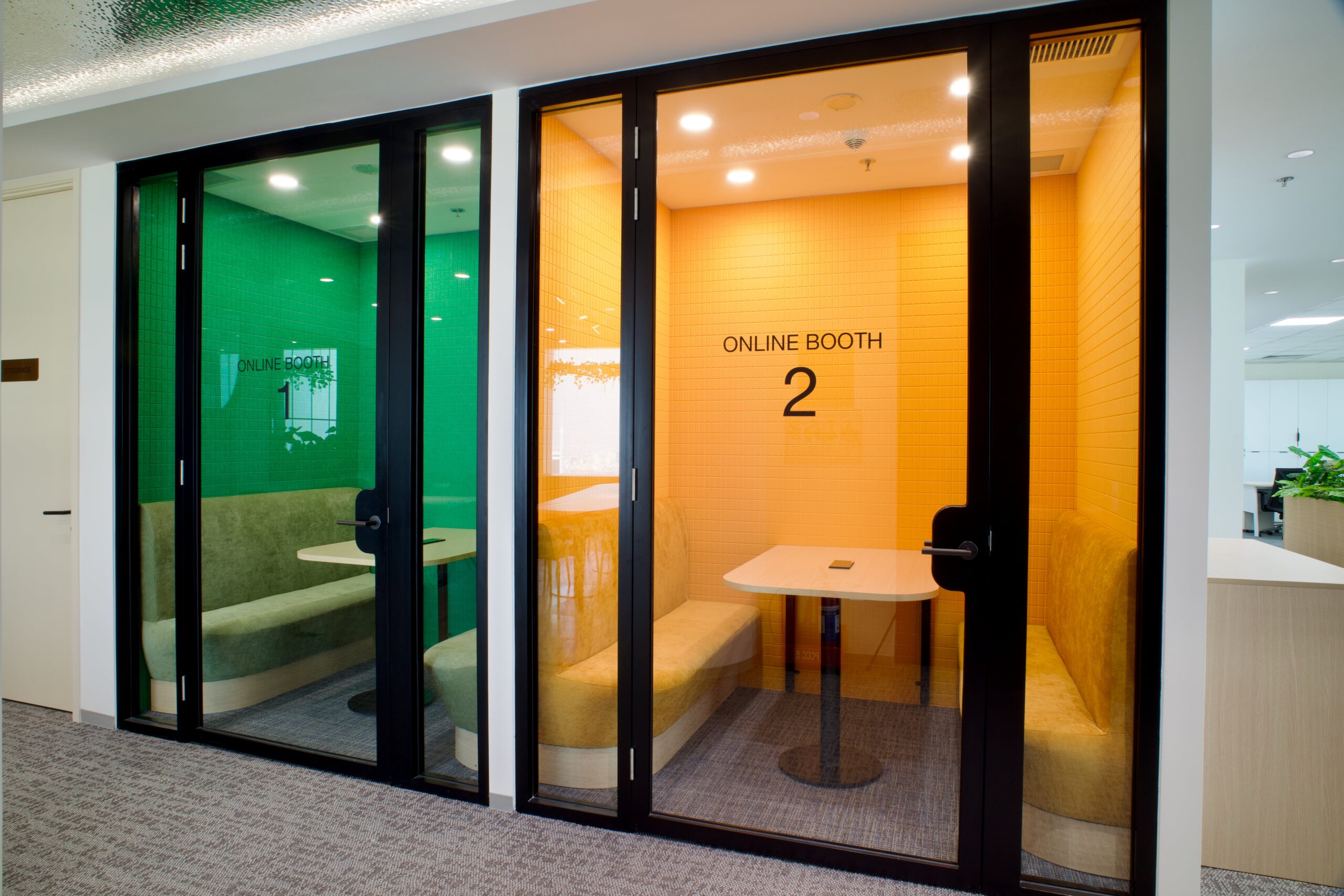
In the bustling office environments of Vietnam, many professionals face the same frustrations during web conferences: "Background noise bleeding into the mic," "Lack of private space for confidential meetings," or the "Constant exhaustion of competing for meeting rooms." Today, Japanese enterprises in Vietnam are rapidly adopting "Online Booths" as the definitive solution to these challenges. But why are they suddenly so essential? In this article, we’ll dive into the necessity of Online Booths and address the big question regarding "Soundproof Performance" using our proprietary, real-world measurement data (D-value testing). 1. Why "Private Spaces" are becoming a necessity in Vietnam's modern offices. [caption id="attachment_846" align="alignnone" width="700"] CRAFTEC Signature Meeting Pod (4-Seater) – Custom Project for I-GLOCAL[/caption] 【Context: Market Trends】 The surge in Online Booth installations across Japanese-affiliated offices in Vietnam is primarily driven by the permanent shift to Hybrid Work post-pandemic. While the frequency of web conferences has exploded, traditional office infrastructures have struggled to keep pace with these modern demands. 【Reasoning: The Growing Necessity】 Office buildings in Vietnam are often vulnerable to sound echoes and lack sufficient acoustic privacy. For expatriates and executives, frequent strategy meetings with the Japan HQ or high-stakes local negotiations require a secure environment—free from interruptions and eavesdropping. Yet, many companies face a dilemma: a chronic shortage of meeting rooms relative to the rising volume of remote calls. Have you ever been in a headset meeting at your desk, only to have a colleague start a loud phone call right next to you, forcing you to apologize to your client: "I’m sorry, it’s a bit noisy here..."? Or perhaps you’ve had to step outside the office just to discuss confidential HR matters or top-secret projects? 【The Solution: Why Booths are the Answer】 Online Booths solve these "Noise" and "Space" frustrations without the need for large-scale construction. It is the most accessible and effective solution for any office that simply needs "one more meeting room." [caption id="attachment_851" align="alignleft" width="1000"] CRAFTEC Signature 4-Person Meeting Pod — Delivered for DHG Pharma[/caption] [caption id="attachment_848" align="alignleft" width="1000"] CRAFTEC Custom 4-Person Acoustic Hub — Built for FUJIFILM[/caption] 2. 3 Key Benefits of Implementing Online Booths Implementing an Online Booth offers much more than just 'creating a private room'— it delivers profound strategic and operational advantages. When you consider the boost in meeting efficiency and the ability to handle high-stakes, confidential tasks without distraction, installing these pods should be viewed as a 'strategic investment' in business productivity rather than a mere office expense. [caption id="attachment_849" align="alignleft" width="1000"] ASICS Case Study: The CRAFTEC Solo Online Booth[/caption] 【Reason: Boosting Productivity & Reliability】 Benefit 1: Enhanced Labor Productivity By shielding users from surrounding noise and visual distractions, our booths allow individuals to reach a state of "Deep Work" in record time. Beyond web conferencing, these pods are perfect for "high-focus tasks"—such as drafting complex reports or responding to critical emails—where total concentration is paramount. Benefit 2: Strengthening Compliance & Data Privacy Our booths provide a physical barrier against "accidental eavesdropping," preventing sensitive information from being overheard in open-plan layouts. For Japanese firms where compliance is non-negotiable, this level of acoustic privacy is a critical asset for safeguarding corporate integrity. Benefit 3: Elevating Professional Brand Image Communicating from a quiet, controlled environment with crystal-clear audio speaks volumes about your professionalism. It leaves a lasting, positive impression on your partners and clients, demonstrating a high level of preparation and respect for the meeting. [caption id="attachment_852" align="alignleft" width="1000"] CRAFTEC Collaboration Suite (6-Person Capacity) — PERSOL CAREER TECH STUDIO Project[/caption] 3. 【Field Test】How Soundproof is it Really? "Pink Noise" Validation Results [caption id="attachment_855" align="alignnone" width="500"] Visualizing our sound leakage testing. While on-site acoustic measurement is rare in Vietnam, CRAFTEC conducts rigorous testing to guarantee proven performance.[/caption] 【Point: Data-Driven Performance, Not Just Claims】 "Soundproof" is a broad term, and actual performance varies significantly between manufacturers. To provide clarity, we are sharing a Sound Leakage Test report from our signature custom-built Online Booths. By using specialized sound sources and precision measurement apps, we ensure a fair assessment that mimics human hearing. In the Vietnamese market, many products are labeled as "Online Booths" but fail to deliver adequate acoustic insulation. At CRAFTEC, we have undergone continuous R&D and iterative refinements to reach the high-performance structural details we offer today. 【Example: Test Specifications】 Measurement conducted on February 7, 2026 Sound Source: Pink Noise Utilizing "Pink Noise 10min" via YouTube. Pink Noise is a sound that blends frequencies uniformly across the entire spectrum, making it ideal for checking comprehensive soundproof performance from low to high pitches. Measurement App: NIOSH SLM We use NIOSH SLM, a highly reliable noise measurement application. This tool accurately captures not just instantaneous volume, but also Equivalent Continuous Sound Levels (Leq) and other critical data. Testing Method: Loud Pink Noise is played inside one of two adjacent booths (Booth 1 and Booth 2). We then measure the sound leakage into the neighboring booth to calculate the noise reduction differential. 4. D-value 40 or Higher": The Level of Silence Where Conversations Simply "Vanish 【Point: Measurement Results & Assessment】 In short, the acoustic performance of our booths has been rated as "Excellent (Very low sound transmission)". 【Reason: Understanding D-value (Sound Pressure Level Difference) Standards】 Soundproofing is evaluated using the "D-value", representing the difference between the source room's sound (L1) and the receiving room's sound (L2): D ≤ 15: Conversations are clearly audible. D = 20–25: Conversations are heard but difficult to understand. D ≥ 30: Good insulation. 【Example: Real-world Data Details】 Let’s look at the actual measurement results: Case 1 (Source in Booth 1): When playing Pink Noise at 77.8dB (comparable to a subway car or shouting), the noise in the adjacent booth dropped to 37.5dB (the level of a quiet library). The D-value recorded was 40.3dB. Case 2 (Source in Booth 2): Similarly, at a source of 76.0dB, the leakage was only 38.4dB, resulting in a D-value of 37.6dB. 【Point: What This Means for Your Business】 A score of 37–40, well above the standard D=30, means that even if someone shouts on the other side of the wall, it only sounds like a faint murmur. For normal online meeting volumes, the risk of your conversation leaking out is virtually zero. Summary In Vietnam's evolving office landscape, Online Booths are shifting from "nice-to-have" to "essential professional infrastructure." In fact, over half of the corporate clients whose offices are designed by CRAFTEC have chosen to implement our Online Booths. Our rigorous Pink Noise test results (D-value 40.3) prove that these are not just booth-style boxes, but "true sanctuaries of silence" backed by verified performance. If you are struggling with "sound leakage" issues, please feel free to reach out for a consultation.
2026/02/26
Office-related
About Vietnam news
Management-Related
NEWS
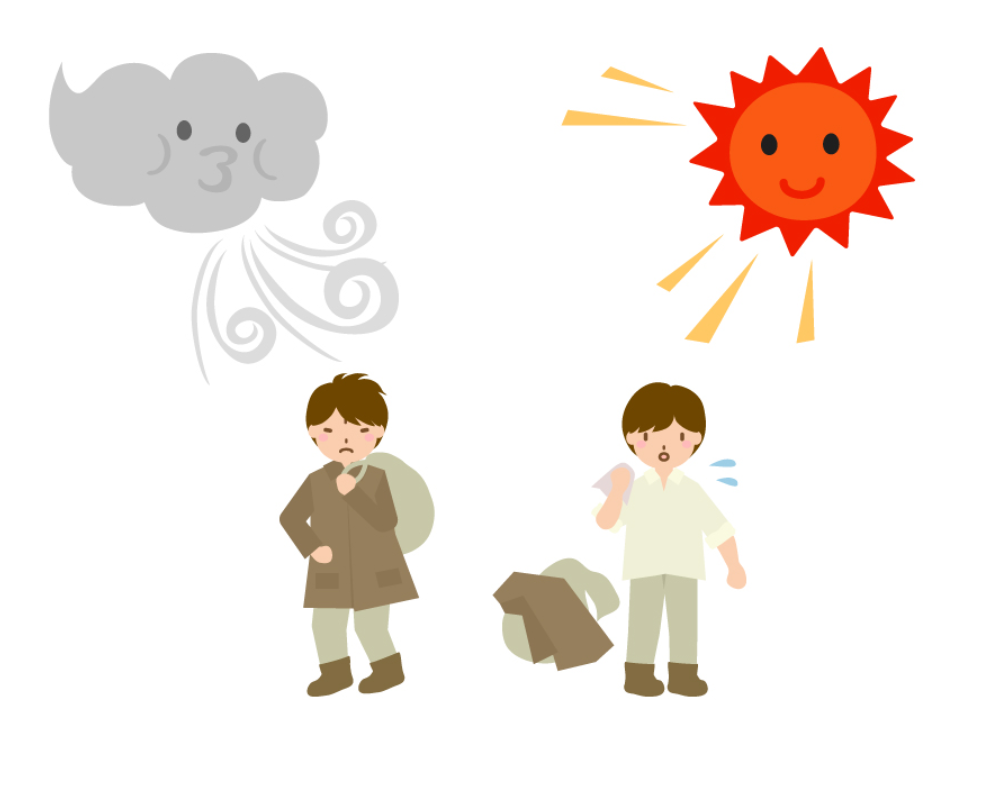
Lessons from a Preventative Maintenance Consultant: Office Management Vol. 3 Moving People: It’s Not About "Orders" or "Rewards"—It’s "The North Wind and the Sun" "Why do the same mistakes keep happening despite constant warnings?" "Why won't this simple task stick, no matter how much time passes?" If you work on the front lines, you’ve likely felt this frustration. Often, the go-to response is the "Head-on Approach": issuing stronger commands, repeating warnings, or codifying stricter rules. While you might see a temporary fix, this often triggers a "Negative Loop"—resistance grows, the team burns out, and instructions become empty formalities. If you feel trapped in this cycle, it might be because you believe there’s no other way. That is exactly when you should recall Aesop’s fable: "The North Wind and the Sun." Behavior is Driven by "Reason," Not Coercion To make a traveler take off his coat, the North Wind blew with all its might. In response, the traveler only gripped his coat tighter. The Sun, however, simply shone warmly, creating a situation where the traveler chose to take off his coat himself. This isn't just about "trying a different angle." It reveals a fundamental truth about human behavior: The North Wind: Attempts to coerce behavior. The Sun: Changes the environment so that the behavior becomes the preferred choice. You shouldn't fight the force of "I don't want to do it" with the force of "I'll make you do it." Instead, you must shift the internal compass of the individual from "resistance" to "desire." This is the Solar Approach: designing the "Reason to Act" so that change happens naturally. Case Study: The "Incentive Design" That Transformed an IT Department When I managed an IT department at a factory, we faced a constant barrage of repetitive support requests from roughly 100 administrative staff. Most were recurring issues, yet the team stuck to "band-aid" fixes rather than root-cause prevention. Even when ordered to "ensure thorough recurrence prevention," nothing changed. Why? Because the staff’s psychology was wired as follows: "Handling active fires makes me feel like I'm actually working." "Solving an immediate problem gets me instant gratitude; prevention is invisible and thankless." I implemented a "Solar Strategy" to shift both mindset and environment: Redefining the Role: We shifted the mission from "fixing trouble" to "Maximizing employee performance through IT (Keeping IT running)." Shifting Evaluation Metrics: We stopped rewarding the number of tickets closed. Instead, we highly appraised "actions taken toward recurrence prevention" and ceased rewarding the repetitive handling of the same issues. Formalizing the Request Pipeline: We banned verbal or phone requests, requiring a dedicated form. This made every issue visible and trackable, turning data into a tool for systemic improvement. The Result: A Radical Shift in Behavior The IT staff realized that preventing trouble was now directly linked to their own performance reviews. They moved from "ignoring the root cause" to "solving the system" because it was now in their best interest. The department transformed from a "Firefighting Crew" into a "Prevention Powerhouse."
2026/02/26
Office-related
Management-Related
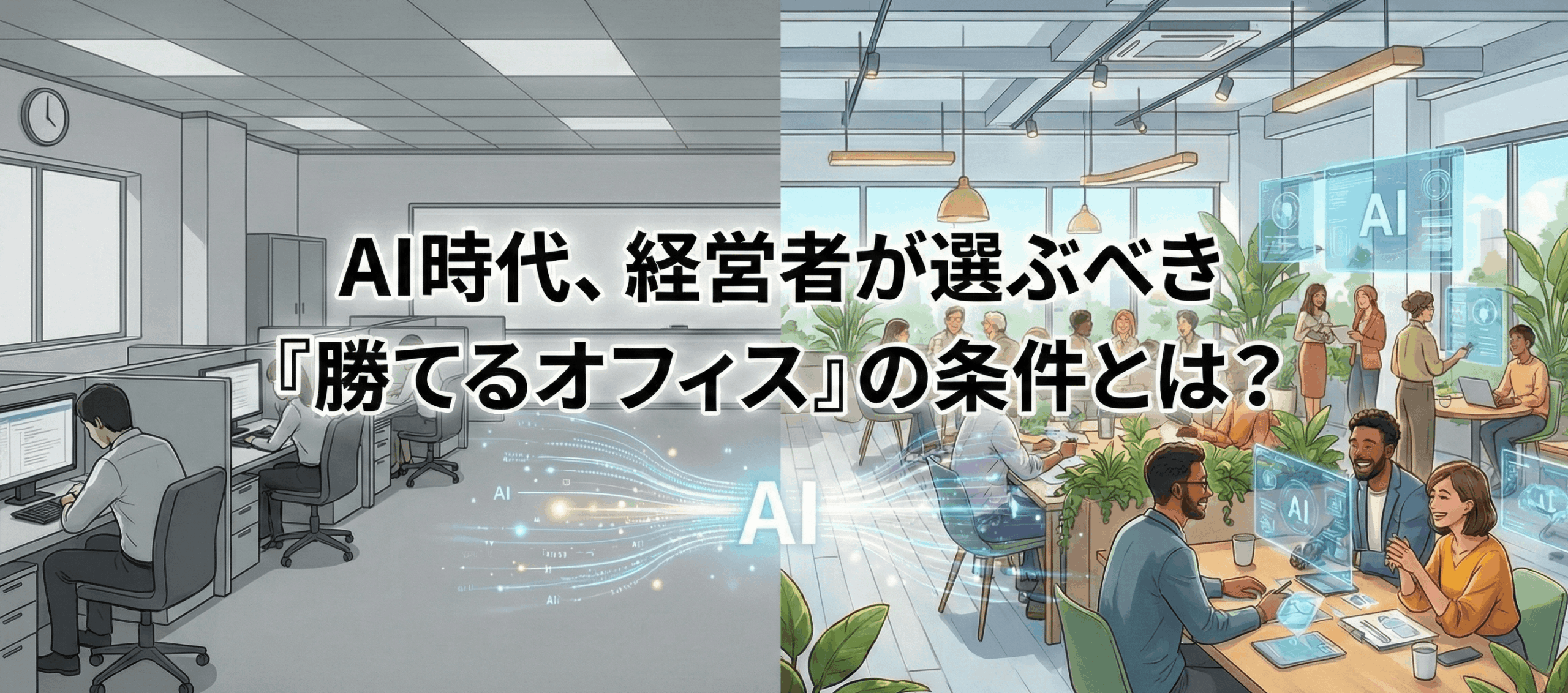
What is the 'Winning Office' Executives Should Choose in the AI Era? Part 1: AI-Driven Management Strategies and the "True Purpose" of the Office The rapid evolution of AI is drastically shifting the role of the office from a mere "workspace" to a "creative hub." This report explores the new era of work and the emerging trends in strategic office design for management professionals and executives based in Vietnam. Why Redefining the Office Is Now Critical In recent years, "Work Style Reform" and "AI Utilization" have been accelerating globally. The advent of Generative AI, in particular, is fundamentally overturning our traditional definitions of "work." Historically, the office was a factory for gathering information, creating documents, and managing data. However, as AI takes over routine tasks and data processing, we must ask: What is the true value of bringing people together in a physical space? For business leaders steering companies in Vietnam, the upcoming challenges of a shrinking workforce and shifting labor attitudes are becoming increasingly palpable. With a projected decline in the working-age population, improving labor productivity through AI is no longer optional—it is a core management challenge. In the AI era, the office is evolving from a "low-cost box" into a "strategic investment" that directly dictates a company's competitive edge. This three-part series explores the future of office design from the perspective of coexisting with AI. Separating AI "Tasks" from Human "Creativity" The conclusion is clear: office work is bifurcating into "tasks for AI" and "tasks for humans." Routine operations such as data entry, aggregation, and minutes-taking are already being automated. AI now assists in drafting emails and summarizing meetings. As a result, the value demanded from employees is shifting toward Decision-Making, Creativity, and Emotionally Intelligent Communication. While AI provides logical answers and rapid inferences, humans must judge the "context"—the "Why" behind the choices. Consequently, we predict that offices in Vietnam will transition from efficient workspaces to "Co-creation Hubs," where stakeholders engage in high-level dialogue to drive innovation. Boosting Engagement: Creating a "Destination" Office Paradoxically, as AI becomes more prevalent and remote work more feasible, the value of a compelling "Physical Office" increases. In an era where you can work from anywhere, companies must provide an office where people want to go. Particularly in a high-turnover market like Vietnam, a superior office environment serves as a powerful magnet for attracting and retaining top talent. Strategic investments in the "Five Senses"—ergonomic chairs, optimized lighting, air purification, curated background music, refresh spaces, scents, premium coffee, and spaces for personal connection—will make employees feel, "I want to work here." These office resources are becoming essential assets for surviving and winning in the AI era. [caption id="attachment_566" align="alignleft" width="1200"] RAKUS Vietnam’s Second Office: Infusing the luxury of a hotel lounge into the refresh area, creating a strategic experimental space that intentionally merges employee engagement with corporate branding.[/caption] [caption id="attachment_753" align="alignnone" width="1200"] CRAFTEC’s new office features premium Japanese ergonomic seating, including UCHIDA’s AJ2 and ITOKI’s ACT chairs. The workspace is designed with ambient environmental music and a circadian lighting system that aligns with the human biological clock. Equipped with air purifiers featuring the same filtration performance as those used in Airbus aircraft, we are actively experimenting to create the ultimate office environment where our Vietnamese team can thrive and achieve their best performance.[/caption] The office will increasingly serve as a vital engine for cultivating corporate culture. In the AI era, the office is evolving into a 'strategic engine for cultivating corporate culture.' The goal is to reinvest the time saved through AI-driven efficiency into meaningful face-to-face dialogue and team communication within the workspace. Looking ahead, offices will be expected to upgrade as systems that facilitate this human connection. In our next installment, we will provide a detailed forecast on how office layouts and functions will specifically transform to meet these new demands.
2026/01/21
Office-related
About Vietnam news
Management-Related
The "Winning Office" for Executives in the AI Era? Vol. 2: How AI is Revolutionizing Office Layouts AI Transforms More Than Just Software When people hear "AI implementation," they often assume it's limited to software or PC-based tasks. However, the rise of AI is bringing fundamental changes to the physical "hardware" of the office. From document volume and desk arrangements to the very nature of meeting rooms- everything is being optimized in tandem with AI integration. In this article, we predict the specific trends in how AI will reshape the modern office. Turning Storage into Synergy: Will Vietnam Follow Suit? One of the most certain changes is the drastic reduction in paper documents. Advances in AI-OCR (Optical Character Recognition) technology are digitizing everything, including handwritten notes. As accounting invoices and contract management go digital, massive filing cabinets will disappear from the workspace. Note: While this is a global trend, local regulatory nuances in Vietnam mean the transition may follow a unique trajectory. So, what happens to that vacated space? It is being reborn as "lounges" and "cafe spaces" designed to foster employee communication. Rent once paid for storage is being redirected as an investment in deepening human relationships. Furthermore, in the Vietnamese office market—where landlord authority is strong and sudden relocation risks exist—having fewer physical assets increases a company's mobility and agility. Redefining Meetings: Fewer Large Boardrooms, More Focus The concept of the "meeting" itself is evolving. Previously, significant time was spent on information sharing and minute-taking. Now, AI handles real-time translation, summarization, and transcription. Consequently, meetings are shifting from "information sharing hubs" to "pure decision-making and brainstorming forums." As a result, the demand for large, closed-off boardrooms is declining. In their place, "Huddle Spaces" (informal meeting areas) and standing desks within open zones are becoming essential. Additionally, with hybrid work as the new standard, "Private Phone Booths" for concentrated web conferencing are now a must-have. Layouts that emphasize a clear distinction between "collaborative interaction" and "individual focus" will become the mainstream. The Era of AI-Generated Office Layouts Looking ahead, we are entering a future where AI itself designs and optimizes office layouts. By simply inputting data such as employee headcount, department structures, and office attendance rates, AI can automatically generate the most efficient seating arrangements and traffic flow plans. Using IoT sensors to analyze employee movement and congestion, AI will soon provide proactive suggestions, such as: "This area is underutilized; let's convert it into a focus booth." In Japan, "Adaptive Offices"—where AI controls lighting and air conditioning in real-time based on occupancy and task type—are already being introduced. By adopting such data-driven office management in Vietnam, businesses can eliminate wasted space and maximize cost-performance. Flexibility and data utilization will be the keys. The office in the AI era is no longer a 'static box' completed once and forgotten. It is a dynamic space' that continuously evolves based on employee behavioral data. Abolishing assigned seating to introduce Hot-desking or Activity-Based Working (ABW) is merely the first step. In our next installment, we will explore how Japanese executives in Vietnam should leverage AI and office design from a management perspective to strengthen their organizations.。
2026/01/21
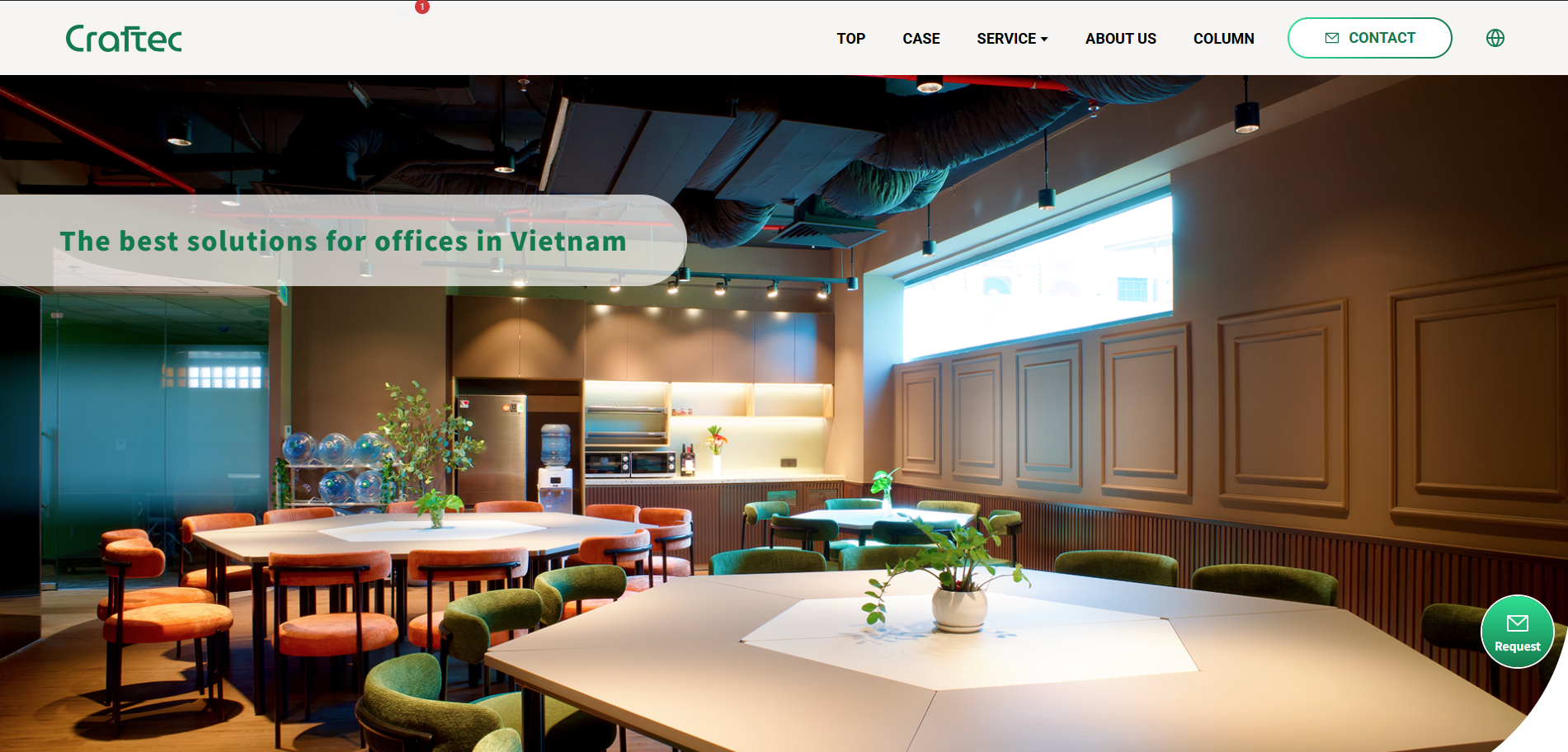
Thank you very much for your continued support and patronage.We are pleased to announce that CRAFTEC, a Japanese design and construction company based in Ho Chi Minh City, has officially launched its new website. CRAFTEC offers a wide range of services, including office, factory, and restaurant design and construction, relocation, renovation, and interior work for both commercial and residential spaces.With Japanese-quality expertise and know-how, we strive to create spaces that offer functionality, aesthetic appeal, and comfort. Our new website is optimized for mobile devices, allowing you to browse comfortably anytime. We will regularly share updates on our services, project achievements, and the latest information related to interior design and construction. We will continue to work hard to create better spaces and further improve our services.We sincerely appreciate your continued support and look forward to serving you.
2025/11/18
NEWS
Top 5 popular articles
Categories
Archive: