

Column
Learning from “The North Wind and the Sun”: Building a Framework for Natural Engagement.
2026/02/26
オフィス関連
マネジメント
Lessons from a Preventative Maintenance Consultant: Office Management Vol. 3
目次
Moving People: It’s Not About “Orders” or “Rewards”—It’s “The North Wind and the Sun”
“Why do the same mistakes keep happening despite constant warnings?”
“Why won’t this simple task stick, no matter how much time passes?”
If you work on the front lines, you’ve likely felt this frustration. Often, the go-to response is the “Head-on Approach”: issuing stronger commands, repeating warnings, or codifying stricter rules. While you might see a temporary fix, this often triggers a “Negative Loop”—resistance grows, the team burns out, and instructions become empty formalities.
If you feel trapped in this cycle, it might be because you believe there’s no other way. That is exactly when you should recall Aesop’s fable: “The North Wind and the Sun.”
Behavior is Driven by “Reason,” Not Coercion
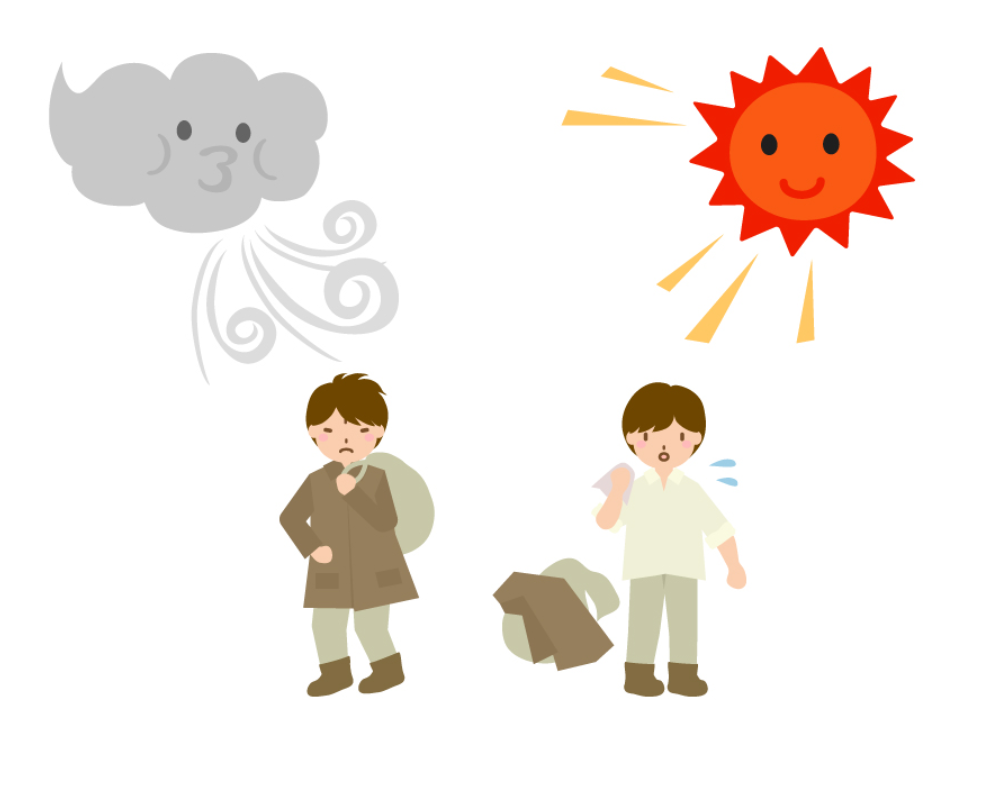
To make a traveler take off his coat, the North Wind blew with all its might. In response, the traveler only gripped his coat tighter. The Sun, however, simply shone warmly, creating a situation where the traveler chose to take off his coat himself.
This isn’t just about “trying a different angle.” It reveals a fundamental truth about human behavior:
-
The North Wind: Attempts to coerce behavior.
-
The Sun: Changes the environment so that the behavior becomes the preferred choice.
You shouldn’t fight the force of “I don’t want to do it” with the force of “I’ll make you do it.” Instead, you must shift the internal compass of the individual from “resistance” to “desire.” This is the Solar Approach: designing the “Reason to Act” so that change happens naturally.
Case Study: The “Incentive Design” That Transformed an IT Department
When I managed an IT department at a factory, we faced a constant barrage of repetitive support requests from roughly 100 administrative staff. Most were recurring issues, yet the team stuck to “band-aid” fixes rather than root-cause prevention.
Even when ordered to “ensure thorough recurrence prevention,” nothing changed. Why? Because the staff’s psychology was wired as follows:
-
“Handling active fires makes me feel like I’m actually working.”
-
“Solving an immediate problem gets me instant gratitude; prevention is invisible and thankless.”
I implemented a “Solar Strategy” to shift both mindset and environment:
-
Redefining the Role: We shifted the mission from “fixing trouble” to “Maximizing employee performance through IT (Keeping IT running).”
-
Shifting Evaluation Metrics: We stopped rewarding the number of tickets closed. Instead, we highly appraised “actions taken toward recurrence prevention” and ceased rewarding the repetitive handling of the same issues.
-
Formalizing the Request Pipeline: We banned verbal or phone requests, requiring a dedicated form. This made every issue visible and trackable, turning data into a tool for systemic improvement.
The Result: A Radical Shift in Behavior The IT staff realized that preventing trouble was now directly linked to their own performance reviews. They moved from “ignoring the root cause” to “solving the system” because it was now in their best interest. The department transformed from a “Firefighting Crew” into a “Prevention Powerhouse.”
Writer
Iizuka Yoichiro
- Company Name
- BEKILAB CO., LTD
- Field
- Problem prevention consultant
- Introduce yourself
- Problem Prevention Consultant Specializing in creating systems that prevent recurring management issues before they start. I provide hands-on consulting, working side-by-side with your on-site teams to drive sustainable growth.
Canon Inc.: Product Design & Development (11 years). Vietnam Operations: Managed automotive airbag production and launched a new factory. 2025: Founder of BEKILAB CO., LTD.
New Topics



Top 5 popular articles